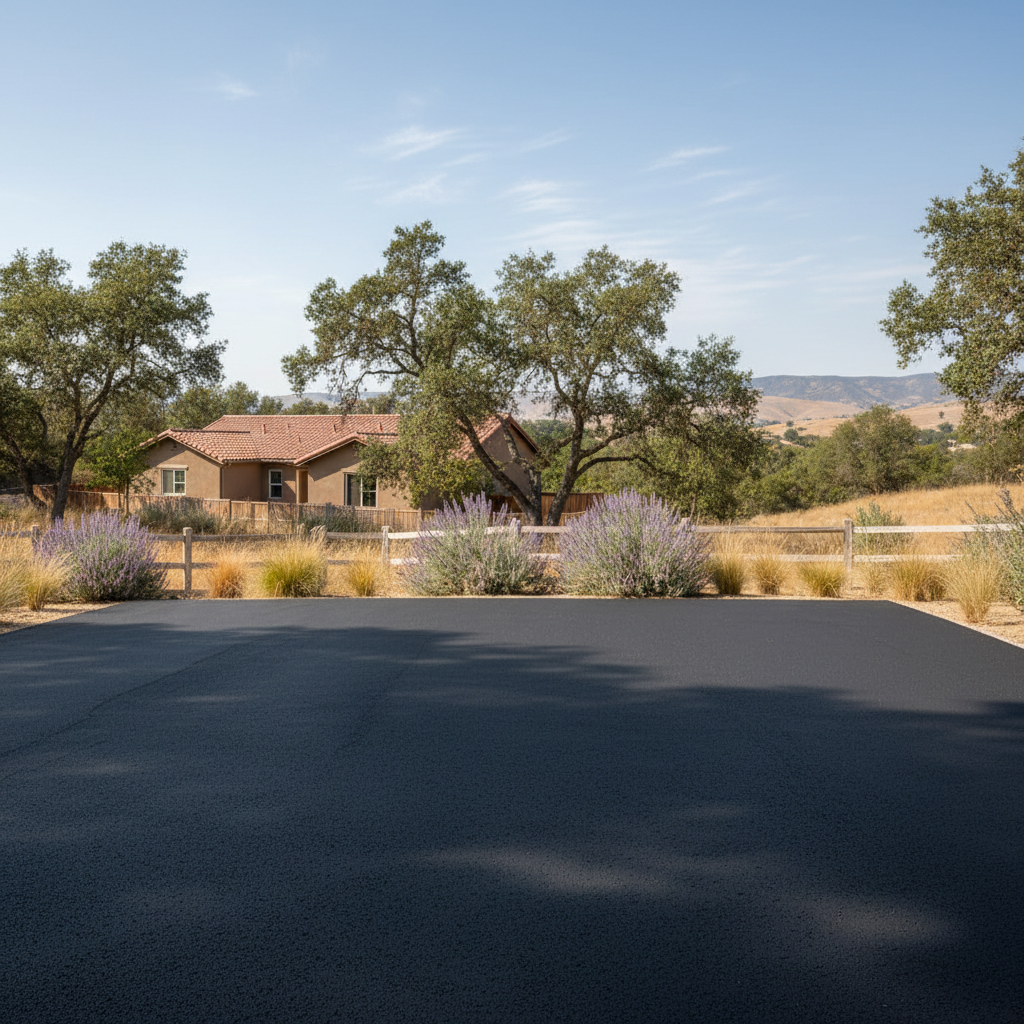
So, you've got a great driveway, right? Whether it's asphalt or concrete, you probably want to keep it looking good. I've seen countless driveways around Menifee over the years, everything from the brand-new developments in Audie Murphy Ranch to the older, more settled homes near Sun City, and one thing's clear: keeping up with it is crucial. It's not just about fixing things once they're broken; it's about stopping those breaks from happening in the first place. Think of it like changing the oil in your car—you do it to avoid a much bigger, more expensive headache later on, don't you?
Extend Your Driveway's Life: Simple Habits That Pay Off
What's the biggest enemy of any driveway here in Southern California? The sun. That relentless Menifee heat and all that UV exposure can really beat up your paving. But don't worry, here's what you can do:
- Sealcoating (for asphalt): This is probably the single most important thing you can do for an asphalt driveway. A good sealcoat acts like a shield, protecting against UV rays, water soaking in, and even oil spills. I usually tell folks to get it done every 2-3 years, depending on how much traffic it gets and how much sun it sees. It’s basically sunscreen for your driveway.
- Cleaning: Sounds too simple, right? But keeping your driveway clear of dirt, debris, and especially oil or gas spills makes a huge difference. Those chemicals can actually break down the binder in asphalt and leave permanent stains on concrete. Clean up spills right away with the right cleaners. A good pressure wash once a year can also help, but be careful not to use too much pressure on older asphalt; it can really damage the surface.
- Edge Protection: The edges of your driveway are often its weakest spots. If you've got landscaping right up against it, make sure those sprinklers aren't constantly dousing the edge. Water seeping underneath can erode the base, which then leads to cracks and crumbling.
- Weight Distribution: Try not to park heavy vehicles like RVs or construction equipment in the exact same spot day after day. Spreading out the load helps stop concentrated stress points that can cause rutting or cracking, especially on asphalt.
Regular Maintenance: What You Should Be Doing
Beyond those bigger tasks, there are a few routine things you should be doing:
- Sweep Regularly: Get rid of leaves, dirt, and small stones. These can become abrasive underfoot or under tires, slowly wearing down the surface. Plus, organic matter left to decompose can hold moisture against the surface, which is never a good thing.
- Address Weeds: Weeds just love to sprout in cracks. Their roots can widen existing cracks and even create new ones. Pull them out as soon as you spot them, or use a weed killer. Don't let them take hold.
- Check Drainage: After a rain, go outside and watch how water runs off your driveway. Are there puddles forming and just sitting there for a long time? Poor drainage is a major reason driveways fail prematurely. If water isn't shedding properly, it's a sign you might need to adjust the grading or think about a professional repair.
Warning Signs: Don't Ignore These
Your driveway will usually tell you when it's in trouble. You just need to know what to look for:
- Cracks: Small, hairline cracks are pretty normal as things age, especially in concrete. But if you see cracks getting wider, deeper, or connecting up to form a network (like alligator cracking in asphalt), that's a big red flag. These point to deeper issues, often with the base layer or water getting in.
- Potholes: These are pretty obvious, aren't they? They start small and then grow quickly, especially after it rains. Potholes in asphalt mean the surface has failed, and water is now getting into the base.
- Fading or Discoloration: For asphalt, if it's looking gray instead of black, that means the binder is oxidizing and losing its protective qualities. For concrete, significant staining or spalling (that's when the surface flakes off) can point to problems.
- Pooling Water: As I mentioned before, standing water is a real problem. If your driveway isn't draining correctly, it will speed up deterioration.
- Uneven Surfaces or Sinking: If you notice parts of your driveway sinking or becoming uneven, that's a sign of a failing sub-base. This is serious and needs immediate attention.
When to Call a Professional (Like Us!)
Look, some things you can handle yourself, but for others, you really need to bring in the pros. Here's when to give us a call:
- Significant Cracking: If you've got cracks wider than a quarter-inch, or extensive alligator cracking, a DIY patch job just won't cut it. You need someone to figure out the cause and provide a repair that actually lasts.
- Potholes: While a homeowner can sometimes patch small potholes, larger or recurring ones usually point to a deeper problem that needs professional assessment and repair to keep them from coming back.
- Drainage Issues: If water is consistently pooling on your driveway, you probably have a grading problem or a compromised base. This isn't a cosmetic fix; it takes expertise to correct properly.
- Unevenness or Sinking: This almost always means the sub-base is failing. Trying to fix this yourself can actually make it worse or just be a temporary band-aid. We've got the equipment and know-how to properly excavate, repair the base, and repave.
- Before Sealcoating (if you're unsure): Sure, sealcoating can be a DIY project, but if your asphalt has a lot of minor cracks or needs some prep work, it's often better to have Top Notch Asphalt Paving do it. We'll make sure the surface is properly cleaned, prepped, and the sealcoat is applied correctly for maximum protection.
- Anytime You're Unsure: Seriously, if you see something and you're not sure if it's a big deal or not, just call. A quick inspection can save you thousands down the road. It's always better to catch problems early.
Taking care of your driveway isn't glamorous, but it's absolutely essential. A little effort now saves you a lot of headache and money later. Keep an eye on it, fix small issues quickly, and don't hesitate to call us if you see something that looks like it's getting out of hand.