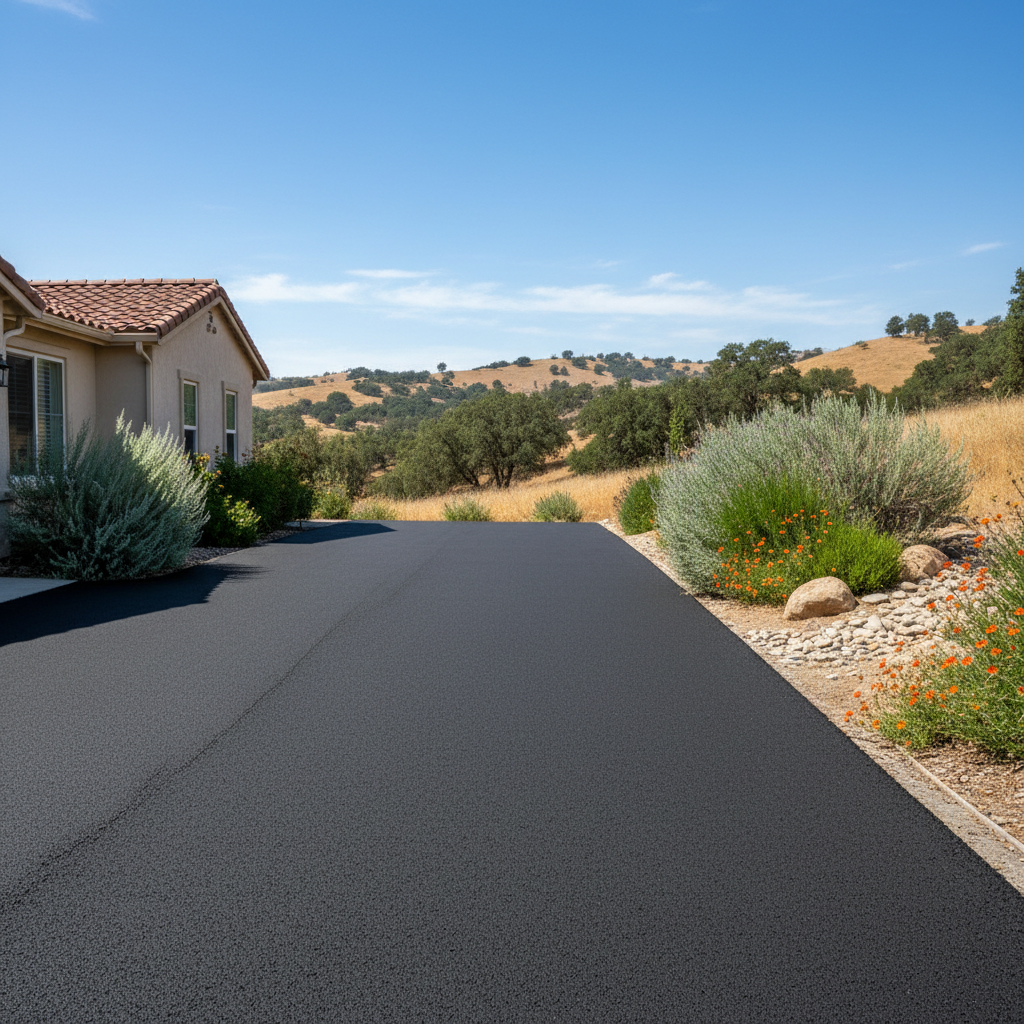
So, you just put in a new driveway, or maybe you're looking to protect an older one. Either way, you're probably wondering how to keep that asphalt looking good and working its best for as long as possible. It's not brain surgery, but there are definitely some things you should know, especially living right here in Menifee.
Why Maintenance Really Matters (Especially Around Here)
Let's face it, your driveway takes a beating. Cars, trucks, kids on bikes, the sun, the occasional rainstorm — it all adds up. And here in Menifee, we've got our own unique challenges. That intense summer sun, for instance, can really dry out and oxidize asphalt much faster than you'd expect. Plus, some areas, like over near the Countryside neighborhood, have those clay soils that can shift a bit, putting extra stress on your pavement. Good maintenance isn't just about making it look nice; it's about protecting your investment and stopping small problems from turning into huge, expensive headaches down the road. Believe me, you don't want those.
Your Regular Driveway Check-Up
Think of this like checking the oil in your car. It's simple, but it makes a huge difference. I suggest doing a quick visual inspection of your driveway at least once a month. Just walk around, take a good look. What exactly are you looking for?
- Cracks: Even tiny hairline cracks can let water sneak in. And water, my friend, is asphalt's worst enemy.
- Potholes: These usually start small, then grow really fast.
- Fading or dull spots: This can signal that the surface is drying out and losing its protective oils.
- Oil or gas spills: These literally eat away at asphalt. Clean them up ASAP.
- Edge deterioration: The edges of your driveway are often the weakest spots.
Beyond that, a good sweep or leaf blow now and then keeps debris off, which helps stop organic matter from breaking down on the surface and causing issues.
Making Your Driveway Last Longer: The Real Deal
Okay, so you've done your visual check. Now, what do you actually do to keep it going strong?
- Sealcoating: This is probably the single most important thing you can do. Think of it as sunscreen for your driveway. It protects against UV rays, water penetration, and oil spills. For Menifee's climate, I generally tell folks to sealcoat every 2-3 years. If you've just put in a brand new driveway, you'll want to wait about 6-12 months for it to cure properly before that first sealcoat.
- Crack Sealing: See those cracks? Don't ignore them. Filling cracks with a hot rubberized sealant is absolutely crucial. It stops water from getting underneath the asphalt, which prevents bigger problems like potholes and alligator cracking. This is something you can often tackle yourself for small cracks, but for anything significant, a pro will have the right equipment and materials.
- Prompt Spill Cleanup: Oil, gas, antifreeze — these are all petroleum-based products that will dissolve the binder in your asphalt. If you spill something, clean it up immediately. Kitty litter or sand can absorb the liquid, then scrub with a stiff brush and a mild detergent. Rinse thoroughly.
- Avoid Heavy Loads: If you can, try not to park super heavy RVs or construction equipment on your residential driveway for extended periods. Asphalt is flexible, sure, but it has its limits, especially in our summer heat when it's softer.
- Proper Drainage: Make sure water isn't pooling on your driveway. If you've got standing water after a rain, that's a problem that needs fixing. It means water is just sitting there, working its way into any tiny crack it can find.
Warning Signs You Absolutely Can't Ignore
Sometimes, things go beyond simple maintenance. You need to know when your driveway is practically screaming that it's got a real problem. Here are the big red flags:
- Alligator Cracking: This looks like a series of interconnected cracks, much like an alligator's skin. It means the base layer underneath is failing, usually because of water damage or heavy loads. This isn't just a surface problem anymore; it's structural.
- Potholes that keep coming back: If you patch a pothole and it reappears quickly, or new ones pop up right next to it, that's a sign of a deeper issue with the sub-base.
- Significant Depressions or Rutting: If you see dips or channels forming where your car tires usually run, it indicates the asphalt is compacting or the base is settling unevenly.
- Heaving or Uneven Surfaces: This can be caused by tree roots growing underneath, or again, issues with the sub-base and moisture.
When to Call a Pro (Like Top Notch Asphalt Paving)
Look, I'm all for DIY where it makes sense. But there are times when you really need to bring in the experts. If you see any of those serious warning signs I just mentioned — alligator cracking, persistent potholes, significant rutting, or large areas of crumbling asphalt — it's time to call us. These issues often require specialized equipment, materials, and expertise to fix properly and keep them from getting worse. Trying to patch over major structural problems yourself is usually just a waste of time and money.
Also, if you're not comfortable doing your own crack sealing or sealcoating, or if your driveway is just too big for a weekend project, that's exactly what we're here for. We've got the experience with Menifee driveways and the right gear to get the job done efficiently and effectively. Don't wait until your driveway is falling apart; catching these things early saves you a lot of headache and cash in the long run, doesn't it?