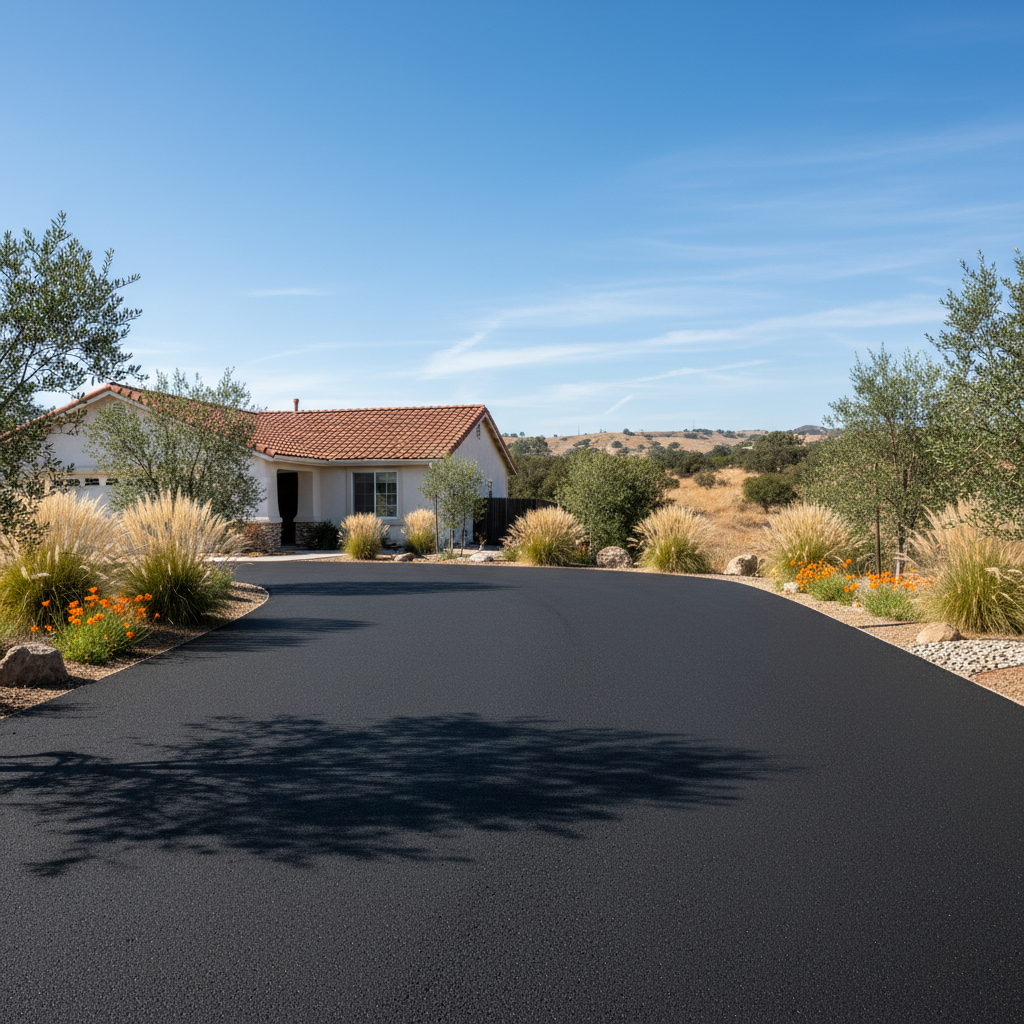
Your driveway's a big investment, no matter if it's asphalt or concrete. You want it to last, right? Especially with that Menifee sun beating down all year and those heavy rains we occasionally get. I've seen a lot of driveways around here, from the newer spots near Audie Murphy Ranch to the older homes closer to the lake, and believe me, good maintenance really makes a difference.
You might think once it's down, you're set for decades. Not quite. Just like your car needs oil changes, your driveway needs a little love to truly go the distance. Let's talk about what that looks like.
Extending Your Driveway's Life: The Basics
First off, think about what's really beating up your driveway. It's not just cars. It's the sun, the heat, water, and even chemicals. For asphalt, the sun is a real killer. It oxidizes the binder, making it brittle and prone to cracking. For concrete, our expansive Menifee soils can cause movement and cracking if the ground wasn't prepped right.
Here's what you can do:
- Sealcoating (Asphalt Only): This is basically your asphalt's sunscreen and rain jacket. A good sealcoat every 2-3 years — depending on how much traffic it sees and how much sun it gets — protects the asphalt binder from UV rays and keeps water from seeping in. Plus, it gives it that fresh, black look. Don't wait until it's gray and crumbly.
- Crack Sealing: This goes for both asphalt and concrete. See a crack? Fill it. Water is the enemy, plain and simple. It gets into those cracks, expands when it freezes (not often here, but it happens sometimes on winter nights), and washes away the base material. That leads to bigger problems like potholes or slab settlement. Don't let a small crack turn into a crater.
- Drainage Management: Make sure water isn't just sitting on your driveway. If you've got puddles after a rain, that's a problem. Standing water softens the base under asphalt and can erode soil under concrete slabs, which leads to settlement and cracking. Check your gutters, and make sure your landscape grading directs water away, not onto, your driveway.
- Avoid Heavy Loads: Your driveway is built for cars, sure. But repeated heavy loads like RVs, dumpsters, or big delivery trucks can really stress the pavement, especially asphalt, leading to rutting and cracking. If you've got an RV, maybe think about a dedicated pad.
- Clean Up Spills: Oil, gas, and other chemicals can break down asphalt and stain concrete. Clean them up quickly. For concrete, a good pressure wash every now and then helps keep it looking good and removes grime that can degrade the surface.
Warning Signs You Can't Ignore
You don't have to be a paving expert to spot trouble. Here's what to keep an eye out for:
- Excessive Cracking: A few hairline cracks are normal over time. But if you're seeing a spiderweb pattern (we call it alligator cracking in asphalt) or large, interconnected cracks, that's a sign of base failure or significant wear.
- Potholes: These are pretty obvious. They start small, but boy do they grow fast. They mean water has gotten under the asphalt and eaten away at the base.
- Fading and Discoloration (Asphalt): If your asphalt driveway is looking more gray than black, it's losing its protective oils and becoming brittle. It's definitely past time for sealcoating.
- Sinking or Uneven Areas: If a section of your concrete driveway is sinking, or if you see significant dips in your asphalt, that points to a problem with the sub-base. This creates trip hazards and can lead to even more damage.
- Raveling (Asphalt): This happens when the aggregate — those small stones — starts to come loose from the asphalt surface. It looks like the surface is eroding. This means the binder is failing.
- Spalling (Concrete): This is when the concrete surface flakes or chips off. It can be caused by freeze-thaw cycles, a poor concrete mix, or de-icing salts (though we don't use much of that here in Menifee).
When to Call a Pro
Look, you can handle some of the basic stuff yourself, like sweeping and cleaning up spills. But for anything more serious, you really need to call in someone who knows what they're doing. Trying to DIY a major crack repair or sealcoat job without the right equipment or experience can often make things worse, or at least not last very long.
You should definitely call a professional if you see:
- Large cracks (wider than a quarter-inch) or extensive cracking patterns.
- Potholes deeper than an inch or wider than a dinner plate.
- Significant sinking or uneven areas in either asphalt or concrete.
- Water pooling that isn't draining properly.
- If your asphalt hasn't been sealcoated in 3+ years and looks faded.
- Any signs of structural failure, like large chunks missing or widespread surface degradation.
We're talking about a big investment here, aren't we? A professional assessment can save you a lot of money in the long run by addressing problems before they become full-blown replacements. Here at Top Notch Asphalt Paving, we've been helping Menifee homeowners keep their driveways in shape for years. We can tell you exactly what your driveway needs, whether it's a simple repair or something more involved. Don't wait until it's too late and you're looking at a full tear-out and replace job. A little proactive care goes a long way.