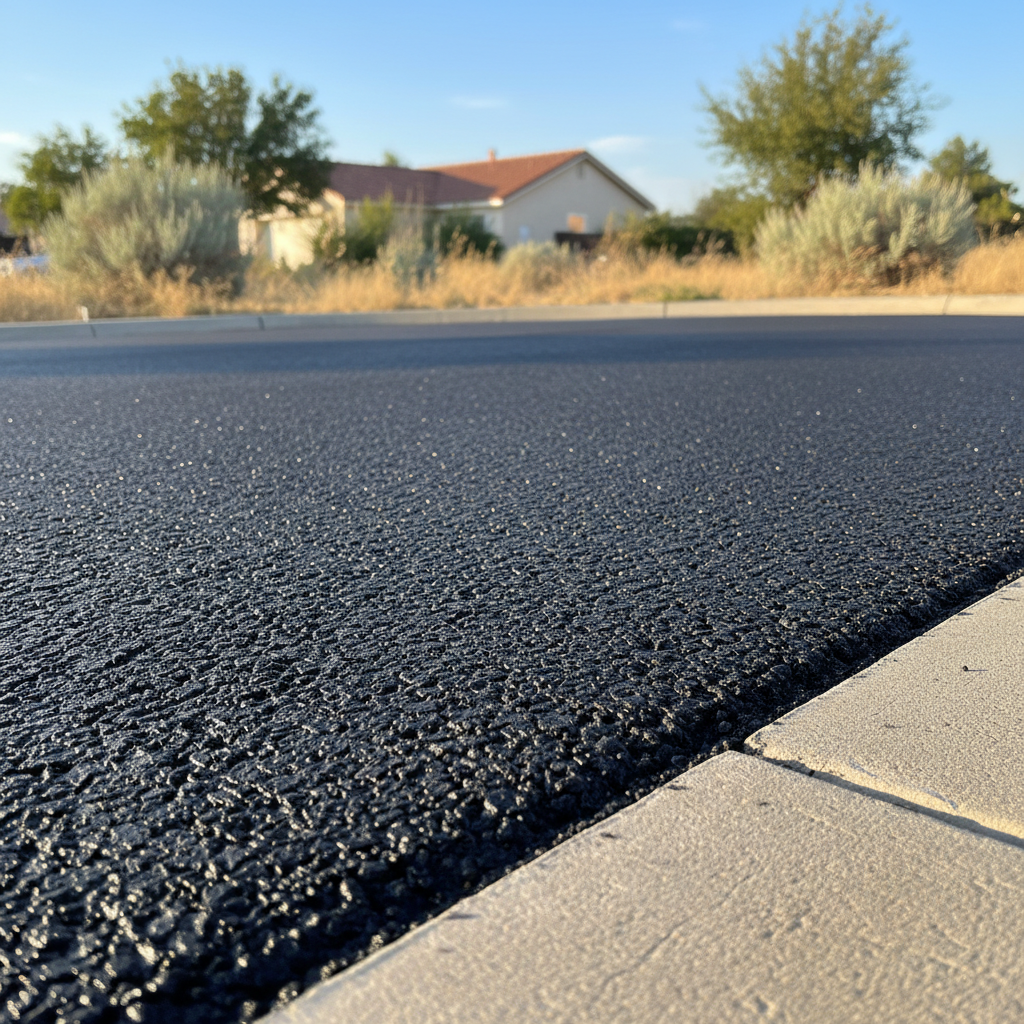
Thinking About a New Driveway? Here's the Real Deal.
So, you're looking at your driveway. Maybe it's cracked, crumbling, or you're just ready for a fresh, smooth surface. Asphalt paving can really boost your home's curb appeal and functionality, no doubt about it. But before you grab a shovel or call the first number you see, let's talk about what you really need to know. I've been doing this a long time here in Menifee, and believe me, I've seen it all – the good, the bad, and the downright dangerous DIY attempts.
Before You Start: Planning and Prep
This is where a lot of folks go wrong. They think they can just pour some asphalt over anything. You can't, plain and simple. The foundation is everything. Now, if you're just doing a small patch – say, a pothole that's only a few inches deep and less than a foot wide – you might be able to handle it yourself. You'd need to square off the edges, dig out any loose material, compact the base really well, and then apply cold patch asphalt. It's temporary, sure, but it can work for those small, isolated issues.
However, if you're talking about anything bigger – a significant network of cracks, a sinking area, or a whole new driveway – you absolutely need to think about the subgrade. Here in Menifee, especially in some of the newer developments around places like Audie Murphy Ranch, the soil can be pretty expansive. If your base isn't properly prepared and compacted, that asphalt isn't going to last. Doesn't matter how good the top layer is. You also need to consider drainage; water is asphalt's enemy. You want to make sure your driveway slopes away from your house and doesn't create puddles. This kind of planning and excavation? That's pro territory, no two ways about it.
During the Project: DIY vs. Professional Paving
Alright, let's be honest here. For a full driveway, or even a large section of it, DIY asphalt paving isn't really a thing for homeowners. It's not like laying down some pavers or pouring a small concrete slab. Asphalt requires specialized equipment and expertise. You need:
- Heavy machinery: Excavators, graders, rollers – these aren't your average rental tools. They're expensive to rent, tough to operate without training, and can be dangerous.
- Hot asphalt: This isn't something you pick up at Home Depot. It comes from an asphalt plant, needs to be transported in specialized trucks that keep it hot, and has to be laid and compacted quickly before it cools.
- A skilled crew: Laying asphalt evenly, getting the right slope, and compacting it to the correct density takes a team that knows what they're doing. If it's not done right, you'll end up with an uneven surface, poor drainage, and a driveway that fails prematurely.
So, what can you do yourself during the project? Not much in terms of the actual paving, really. Your role is more about being informed and prepared for the pros. Clear the area of any obstacles, make sure sprinklers are marked, and communicate clearly with the paving crew. If you're considering a new driveway, you'll want to get a few quotes. A good contractor, like us at Top Notch Asphalt Paving, will come out, assess your site, talk through your options, and give you a clear breakdown of the work involved. We'll handle everything from the excavation and base prep to laying and compacting the hot asphalt.
After the Paving: What Happens Next?
Once the asphalt is down, the work isn't quite over. For the first few days, you'll need to treat your new driveway with care. Here's what I always tell my clients:
- Stay off it for a bit: Typically, you can walk on it after a few hours, but keep vehicles off for at least 2-3 days, sometimes longer if it's been a particularly hot Menifee summer day. Asphalt needs time to cure and harden.
- Avoid heavy turning: For the first week or two, try not to turn your steering wheel sharply while your car is stationary on the new asphalt. This can create power steering marks or scuffs.
- Watch for heavy loads: Don't park heavy RVs, trailers, or construction equipment on your new driveway for at least a month.
- Sealcoating: This is a big one for homeowners. About 6-12 months after your new asphalt is installed, you should consider sealcoating it. This protects the asphalt from UV rays, water, and oil spills, significantly extending its life. This is something a homeowner can do themselves if they're careful and have the right equipment (a good sprayer or squeegee, and quality sealant). It's messy, but doable for smaller driveways. For larger areas, or if you're not comfortable, calling a pro for sealcoating is a smart move.
Ultimately, for major asphalt work, you're going to need a professional. Trying to DIY a full driveway will cost you more in the long run in repairs and headaches. Focus your DIY efforts on the small stuff, like minor crack filling or sealcoating, and leave the heavy lifting to the experts. That way, you get a driveway that lasts and looks great for years.